Currently Empty: EGP0.00
Building Customer Trust: The Ultimate Guide to Creating Strong Sales Relationships
August 22, 2026

Customer trust grows when words and actions remain consistent and the customer feels understood rather than pressured. It starts with preparation, listening, and clarity, then strengthens through evidence, realistic promises, and useful follow-up.
In modern sales, customers no longer make purchasing decisions based only on product features, pricing, or promotional offers. Before choosing a solution, they need to trust the person and company behind it. This is why building customer trust has become one of the most important skills for sales professionals who want to create long-term relationships and consistently close more deals.
A customer may be interested in your product, but if they do not feel understood, respected, or confident in your expertise, they will hesitate before making a decision. Many sales opportunities are lost not because the offer is weak, but because the initial communication fails to create enough trust.
Today’s customers have access to more information than ever before. They can compare alternatives, read reviews, and research competitors before speaking with a salesperson. As a result, the role of a sales professional has evolved. Successful sellers are no longer simply presenting products; they are becoming trusted advisors who help customers solve problems and make better decisions.
Strong customer relationships are built through meaningful conversations, active listening, transparency, and a genuine understanding of customer needs. These elements create the foundation for effective sales communication and increase the chances of successful conversions.
At Growth Engine, we believe that modern selling is not about forcing decisions or using outdated pressure techniques. It is about understanding buyer psychology, applying proven sales frameworks, and developing the skills required to create value at every stage of the customer journey.
In this guide, we will explore practical strategies for building customer trust, improving communication with customers, strengthening sales skills, and creating a sales approach that leads to sustainable revenue growth.
Why Is Trust the Foundation of Successful Sales?
Trust is the connection between a customer’s problem and the solution you provide. Even if your product or service is excellent, customers will not move forward if they do not believe that you understand their situation or can deliver the promised value.
In traditional sales, customers often depended on salespeople for information. Today, customers are more informed and independent. They research before buying, which means sales professionals must focus on creating confidence rather than simply delivering information.
How Trust Influences Customer Buying Decisions
When customers trust a salesperson, they are more likely to:
- Share their real challenges and priorities.
- Be honest about their concerns.
- Consider recommendations more openly.
- Make purchasing decisions with greater confidence.
- Become repeat customers and brand advocates.
On the other hand, when trust is missing, customers often delay decisions by saying:
- “I need to think about it.”
- “I want to compare other options.”
- “The price is too high.”
Although these objections may seem related to pricing or timing, the deeper issue is often a lack of confidence in the value being offered.
Building trust helps reduce uncertainty and allows customers to feel comfortable moving forward.
The First Step in Building Customer Trust: Understand Before You Sell
One of the biggest mistakes sales professionals make is starting the conversation by immediately explaining their product or service.
Customers are not interested in hearing a long list of features before they understand how those features solve their specific problems. They want a salesperson who takes the time to understand their situation.
Ask Better Questions to Discover Customer Needs
Effective questions help sales professionals identify:
- The customer’s main challenge.
- Their goals and expectations.
- Their decision-making criteria.
- Potential obstacles preventing them from buying.
Instead of asking:
“Are you interested in our service?”
A stronger approach would be:
- “What result are you hoping to achieve?”
- “What challenges are you currently facing?”
- “What factors are most important when choosing a solution?”
These questions shift the conversation from selling to consulting.
The customer begins to see you as someone who is helping them solve a problem rather than someone trying to complete a transaction.
Active Listening: The Sales Skill That Builds Stronger Relationships
Many salespeople believe that the person who talks the most is the best salesperson. However, successful sales professionals understand that listening is often more powerful than speaking.
Active listening means paying attention to more than just the customer’s words. It requires understanding their concerns, motivations, and emotions.
Key Elements of Active Listening
Effective active listening includes:
1. Paying Attention to Details
Small details often reveal important information about what the customer truly needs.
A customer may mention a concern casually, but that concern could be the main factor affecting their decision.
2. Confirming Understanding
Professional salespeople regularly confirm what they hear by summarizing the customer’s points.
For example:
“So, your main priority is improving efficiency while keeping costs under control. Is that correct?”
This shows the customer that you are focused on their needs.
3. Avoiding Interruptions
Allowing customers to fully explain their situation creates psychological safety and encourages more honest conversations.
When customers feel heard, trust naturally increases.
Customer Communication: How to Create a Strong First Impression
The first interaction with a customer often determines whether the relationship continues or ends. A professional first conversation should make the customer feel valued and understood.
The Elements of Effective Customer Communication
1. Respond Quickly and Professionally
Fast responses show customers that their needs matter. However, speed alone is not enough. The quality of the response is equally important.
A strong response should be:
- Personalized.
- Clear and helpful.
- Connected to the customer’s specific situation.
A generic message may feel automated, while a personalized response creates connection.
2. Adapt Your Communication Style
Every customer has different priorities.
Some customers focus on:
- Data and numbers.
- Business outcomes.
- Convenience.
- Long-term value.
Great sales professionals adapt their communication style based on the customer’s personality and expectations.
3. Provide Value Before Asking for Commitment
Trust grows when customers receive useful information before making a purchase.
Value can include:
- Helpful recommendations.
- Industry insights.
- Solutions to common problems.
- Guidance during the decision process.
This approach positions the salesperson as a trusted advisor rather than just a seller.
Building Credibility: Never Promise What You Cannot Deliver
One of the fastest ways to lose customer trust is making unrealistic promises.
Customers do not need a salesperson who agrees with everything. They need someone who provides honest guidance and sets realistic expectations.
A trustworthy sales professional should:
- Explain expectations clearly.
- Be transparent about limitations.
- Avoid exaggerated claims.
- Follow through on commitments.
Credibility is not created through one conversation. It is built through consistent actions over time.
How Modern Sales Skills Help Build Stronger Customer Relationships
The modern sales environment requires a different approach from traditional selling. Customers no longer respond well to aggressive tactics or generic sales pitches. They want sales professionals who understand their challenges, provide valuable insights, and guide them toward the right decision.
This is why developing strong sales skills has become essential for anyone who wants to succeed in today’s competitive market.
Modern sales professionals focus on:
- Understanding customer psychology.
- Identifying real customer needs.
- Creating value throughout the buying journey.
- Managing objections professionally.
- Building long-term relationships instead of one-time transactions.
The goal is not simply to convince customers to buy. The goal is to create enough trust that customers feel confident choosing your solution.
Through modern sales training, professionals can develop practical frameworks for improving communication, understanding buyer behavior, and creating sales conversations that lead to better results.
Growth Engine helps sales professionals and teams build these skills through practical training methods designed around real-world selling situations, customer psychology, and measurable performance improvement.
Customer Psychology: Understanding Buyers Before Trying to Persuade Them
Successful selling starts with understanding how customers think and make decisions.
Every buyer goes through a psychological process before purchasing. This process usually includes:
- Recognizing a problem or opportunity.
- Searching for possible solutions.
- Comparing different options.
- Evaluating risks.
- Making a final decision.
A salesperson who understands this journey can communicate more effectively and provide the right information at the right time.
The Principles of Trust-Based Persuasion
1. Show Understanding Before Presenting Solutions
Customers want to feel understood before they listen to recommendations.
Instead of immediately explaining your offer, start by acknowledging their situation.
For example:
“I understand that improving your results while reducing unnecessary costs is your main priority. Let’s explore the best approach based on your goals.”
This creates a collaborative conversation instead of a traditional sales pitch.
2. Connect Solutions to Customer Outcomes
One common mistake in sales is focusing too much on features.
Customers are usually more interested in outcomes.
Instead of saying:
“Our platform has advanced reporting features.”
A stronger approach would be:
“Our platform helps your team identify sales opportunities faster and improve pipeline visibility.”
The second message focuses on the customer’s result, making the value clearer.
3. Use Proof to Strengthen Confidence
Customers trust solutions more when they see evidence that they work.
Useful forms of proof include:
- Customer success stories.
- Case studies.
- Measurable results.
- Real examples.
- Professional experience.
However, proof should support the conversation naturally rather than feel like a promotional presentation.
Handling Customer Objections Without Losing Trust
Customer objections are not always signs of rejection. In many cases, objections indicate that the customer is interested but needs more confidence before moving forward.
Common objections include:
- “The price is too high.”
- “I need more time to think.”
- “I want to compare other options.”
- “This is not the right time.”
The wrong approach is treating objections as a battle.
Modern sales professionals understand that objections are opportunities to discover what the customer truly needs.
A Framework for Managing Objections
Step 1: Listen Completely
Allow the customer to explain their concern without interruption.
The first objection is not always the real problem. By listening carefully, you can discover the deeper reason behind hesitation.
Step 2: Acknowledge the Concern
A simple acknowledgment can reduce resistance.
Example:
“I understand why this point is important. Making the right decision requires looking at all factors carefully.”
This shows respect and creates a more positive conversation.
Step 3: Provide Relevant Information
Once you understand the concern, provide information that helps the customer evaluate the decision.
The goal is not to win an argument. The goal is to help the customer make the right choice.
Building Trust in Real Estate Sales: Why Relationships Matter More
Real estate sales depend heavily on trust because customers are making significant financial decisions.
A buyer is not simply purchasing a product; they are investing in a property that may affect their financial future, lifestyle, and long-term plans.
A successful real estate salesperson must demonstrate:
- Market knowledge.
- Transparency.
- Professional guidance.
- Understanding of customer priorities.
How Real Estate Salespeople Can Build Customer Confidence
1. Become a Knowledgeable Advisor
Customers trust professionals who understand:
- Market trends.
- Property locations.
- Investment opportunities.
- Potential risks.
Expert knowledge helps customers feel confident that they are making an informed decision.
2. Focus on the Customer’s Needs, Not Just the Deal
A trusted real estate professional does not try to sell every property.
Instead, they identify the property that matches the customer’s goals.
When customers feel that their interests come first, trust increases significantly.
3. Follow Up With Value
Consistent follow-up is important, but it should not create pressure.
Instead of asking:
“Have you decided yet?”
A better message could be:
“I found an option that matches the priorities you mentioned earlier and thought it could be useful for you to review.”
This approach keeps the relationship active while maintaining professionalism.
Professionals who want to improve their performance can benefit from specialized real estate sales training focused on customer psychology, relationship building, and effective closing strategies.
Turning Trust Into a Competitive Sales Advantage
In crowded markets, many companies offer similar products and services. The difference often comes down to the experience customers receive during the buying process.
Sales professionals who consistently build trust achieve:
- Higher conversion rates.
- Stronger customer loyalty.
- More referrals.
- Shorter sales cycles.
- Better long-term revenue growth.
Trust becomes a competitive advantage because customers remember how they were treated, not only what they purchased.
A Practical Framework for Building Customer Trust From the First Interaction
Sales professionals can apply this simple framework with new prospects:
Step 1: Prepare Before Contacting the Customer
Research the customer’s:
- Industry.
- Possible challenges.
- Goals.
- Previous interactions.
Preparation allows for a more personalized conversation.
Step 2: Start a Conversation, Not a Sales Pitch
The first interaction should focus on discovery.
Ask questions, listen carefully, and understand the customer before presenting solutions.
Step 3: Offer a Personalized Recommendation
Customers respond better when solutions are connected directly to their situation.
Explain how your product or service helps them achieve their specific goals.
Step 4: Continue Building the Relationship
Trust does not end after the first conversation.
Professional follow-up, useful communication, and consistent support can turn prospects into long-term customers.
For professionals looking to improve their performance in property sales specifically, understanding the daily habits and strategies of successful salespeople is essential. A practical resource like How to Become a Successful Real Estate Salesperson: A Practical Guide to Real Estate Sales can help develop stronger customer communication, negotiation skills, and sales processes.
How to Develop Yourself as a Trusted Sales Professional
Building customer trust is a skill that improves through training and consistent practice.
The best sales professionals do not rely only on personality or natural talent. They learn structured frameworks that help them communicate better, understand customers faster, and improve sales performance.
Developing yourself requires continuous improvement in:
- Communication.
- Negotiation.
- Customer psychology.
- Sales strategy.
- Relationship management.
For companies and individuals looking to build stronger sales capabilities, Growth Engine provides practical sales training designed to create measurable improvements in sales performance and customer relationships.
Related Guides for Practical Application
- Smart sales questions
- Handling objections without losing the deal
- Effective prospect follow-up
- Persuasion without pressure
- Modern Selling Professional training
- Becoming a successful real estate agent
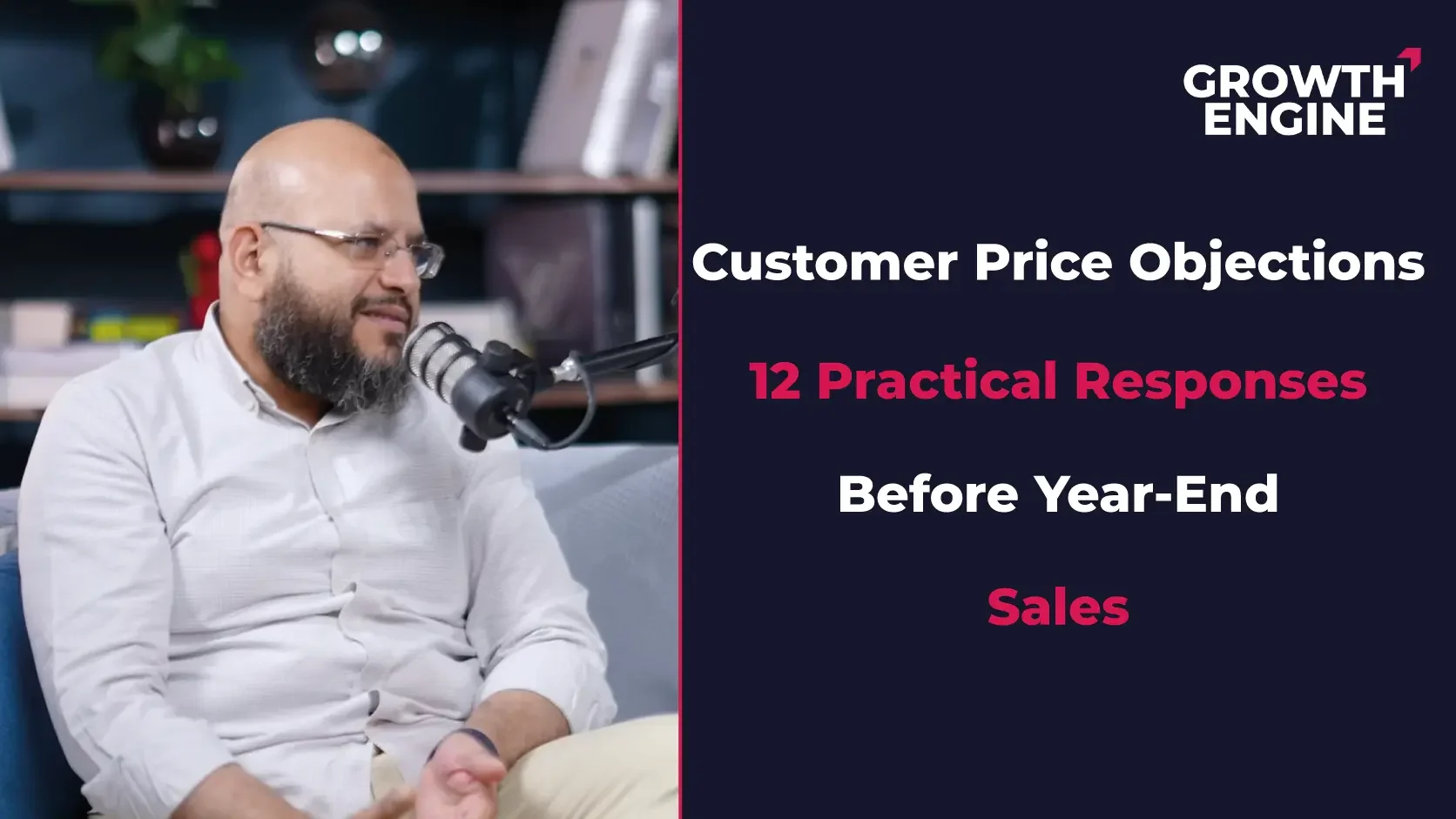
Recommended Video from Growth Engine Academy
Content Review and Experience
This article was reviewed by Growth Engine Academy’s sales training and consulting team. Since 2013, the academy has trained more than 9,500 professionals and worked with over 250 companies, so the recommendations emphasize practical application rather than theory alone.
Conclusion
Building customer trust is one of the most valuable skills in modern sales. Customers today are not only looking for products or services; they are looking for professionals they can rely on.
Trust is created through effective communication, active listening, transparency, and a genuine commitment to helping customers achieve their goals.
By improving customer communication, developing stronger sales skills, and applying modern sales strategies, sales professionals can transform simple conversations into valuable long-term relationships.
At Growth Engine, our mission is to help professionals and businesses master modern selling techniques, improve sales performance, and create predictable revenue growth.
Start building stronger customer relationships today and develop the sales skills that turn prospects into loyal customers.
Frequently Asked Questions
What does building customer trust mean in sales?
Building customer trust means creating confidence between the salesperson and the customer through honesty, communication, and delivering real value. It helps customers feel comfortable making purchasing decisions.
Why is trust important in the sales process?
Trust reduces customer hesitation and increases confidence in the buying decision. Customers are more likely to purchase when they believe the salesperson understands their needs.
How can salespeople build trust with customers quickly?
Salespeople can build trust by listening actively, asking meaningful questions, providing honest information, and focusing on customer needs instead of only selling.
What are the most important sales skills for building trust?
Key skills include communication, active listening, negotiation, empathy, objection handling, and understanding customer psychology.
How does customer communication affect sales success?
Effective customer communication improves relationships, reduces misunderstandings, and helps sales professionals create stronger connections with potential buyers.
How can salespeople handle customer objections professionally?
Salespeople should listen carefully, acknowledge concerns, understand the real issue, and provide useful information without applying pressure.
Is price the main reason customers refuse to buy?
Not always. Many customers hesitate because they do not fully understand the value or do not trust the solution being offered.
Why is trust especially important in real estate sales?
Real estate decisions involve significant financial commitments, so customers need confidence in the salesperson’s expertise and recommendations.
Can building customer trust be learned through training?
Yes. Trust-building is a skill that can be improved through structured training, practice, and learning modern sales frameworks.
How can Growth Engine help improve sales performance?
Growth Engine provides practical sales training programs that help professionals improve communication, customer relationships, closing techniques, and overall sales effectiveness.